LIFE · BUSINESS · HUMAN BEINGS + AI
Life keeps
teaching us.
Our chapter of retreats and ayahuasca has closed.
The lessons remain. Life continues.
What I experienced here
stays with me.
“Every person
was a book.”
Some chapters change their form.
What we have learned finds other paths.
The search that brought us together
Nada Brahma is part of my story. I came to that chapter after building companies and asking myself what I was leaving out of my own life. Ayahuasca was part of that search. So were silence, nature and the conversations that grew from the retreats.
What I learned from those who came
Listening to someone requires us to leave room for what we do not know about them. Receiving those stories broadened the way I saw the world. Each encounter also taught me something about myself.
I learned to value a way of supporting others that leaves their decisions in their own hands. I can share a perspective, ask a question or listen carefully. The other person's life remains their own. That responsibility matters to me today, both when speaking with a person and when thinking about a company.
The learning continues when we return
Returning home, to family and to work was also part of the journey. What we had learned needed to find a place in everyday life. Today I still ask how it becomes visible in a conversation, in the way we lead or in a decision we make when no one is watching.
CLOSING A CHAPTER · KEEPING WHAT WE LEARNED
Thank you for being part of it.
To everyone who shared this path with me: thank you for your presence, your questions and what you also taught me.
Today I close this chapter of retreats and open a different way of sharing. We are not currently offering retreats or ayahuasca ceremonies. Nada Brahma remains a place for the lessons, the questions and what I am building now: a more conscious way of living, caring and working with others, including in a world being changed by artificial intelligence.
A QUESTION TO TAKE WITH YOUWhat have you learned in life that deserves to come with you into your next chapter?
FOR THOSE WHO HAVE BUILT A GREAT DEAL
AND STILL ASK WHAT IT IS FOR
There are questions success
cannot answer for us.
This space grows from those questions. From what life, companies and people have taught me. And from what I still want to learn.
What remains at the end of the day.
I have spent much of my life building: solving problems, creating companies, bringing teams together, imagining what does not yet exist. Over the years, I also began to look at what was happening within me as all of that grew. What I was seeking in each achievement. How much of my effort came from the desire to create, and how much from the need to be recognized.
That question changed how I understood success. Today I want to look at what I do and recognize myself in it. To feel proud of a result and also of the way I reached it. To have room to be present with the people I love, to listen and to keep learning.
I am interested in speaking with people who have built a great deal and still allow themselves to ask what it is for. People who have carried decisions for years and feel that their next chapter deserves a direction chosen with greater awareness. There is a deep honesty in stopping to look at the life we are creating with our own hands.
A QUESTION TO TAKE WITH YOUWhat kind of life is being shaped by what you build?
“my decisions as a leader
can change the course
of many lives”
Greater capability calls for greater judgment.
01Learning to live together
My path through engineering and business taught me to see systems. Nada Brahma taught me to listen to what people carry within them: their questions, their fears, their search for meaning. Today, those perspectives meet in my relationship with artificial intelligence. I want to understand what it can do and what its presence awakens in us.
Amid the excitement and uncertainty of this era, I imagine a relationship we can build with care. People and intelligent systems working within an ecosystem: different capabilities, clear boundaries, and a purpose worthy of our effort. A future in which expanding our intelligence helps us live with greater humanity.
02Preparing for what comes next
I am moved by what this collaboration could make possible: bringing knowledge to someone who has had few opportunities, supporting people researching diseases, freeing time to listen more closely, or helping someone give an idea its first shape. In healthcare, progress needs research, validation, and professional care. Hope deserves that rigor.
I want to help more people understand this new era: to ask better questions, recognize mistakes, protect their data, and decide when to trust. Education creates room for people to shape the future with judgment of their own.
03The awareness we bring
When I speak of awareness, I mean our human ability to notice what we do and whom it affects. That attention belongs in the design of technology: who decides, who can challenge an answer, and who steps in when something goes wrong.
My search for harmony takes shape in those decisions. I want systems we can understand and correct, and people prepared to guide their use. This is the meeting point I now want to build between my experience, technology, and care for life.
A QUESTION TO KEEPWhat humanity do you want to preserve and cultivate as our capabilities grow?
Inside a company, that relationship becomes tangible: someone decides what to delegate, what to care for, and what remains our responsibility.
Designing a company is also choosing a future.
The way we organize work also teaches a way of living together.
A company brings together time, knowledge, trust, and resources. What we choose to do with them reaches people we may never meet. When I imagine an organization working with artificial intelligence, I begin with its purpose and the lives of those who sustain it: what they need to understand, where their experience gets lost, and which decisions keep them from doing better work.
I am developing an approach to business architecture in which people and AI can work together with clarity. I want a team's knowledge to remain available, a good idea to have room to be tested, and an acknowledged mistake to become a chance to learn. Technical capability needs a way of leading that knows how to listen.
Understand the people and the system.
Define who decides, cares, and answers for the outcome.
Learn from evidence before expanding.
That vision begins with something concrete. Choose a recurring decision, understand the information it needs, and define what AI can prepare, what a person must review, and how we will check the result. Then ask what happens to the time saved and who benefits from the improvement.
I want to speak with business leaders willing to look at their next chapter with that depth. To ask what is worth keeping in what they have built, and what deserves to change. Profitability sustains a company; the judgment with which we lead it leaves a mark on the people who take part in it.
Let’s talk about your next chapterA QUESTION TO KEEPIf your company were starting today, what would you choose to build differently?
That responsibility also reaches beyond a company. In Bajo la Paz, it takes the shape of a forest, and the question of how to help it keep living.
We are also responsible for the life we leave room for.
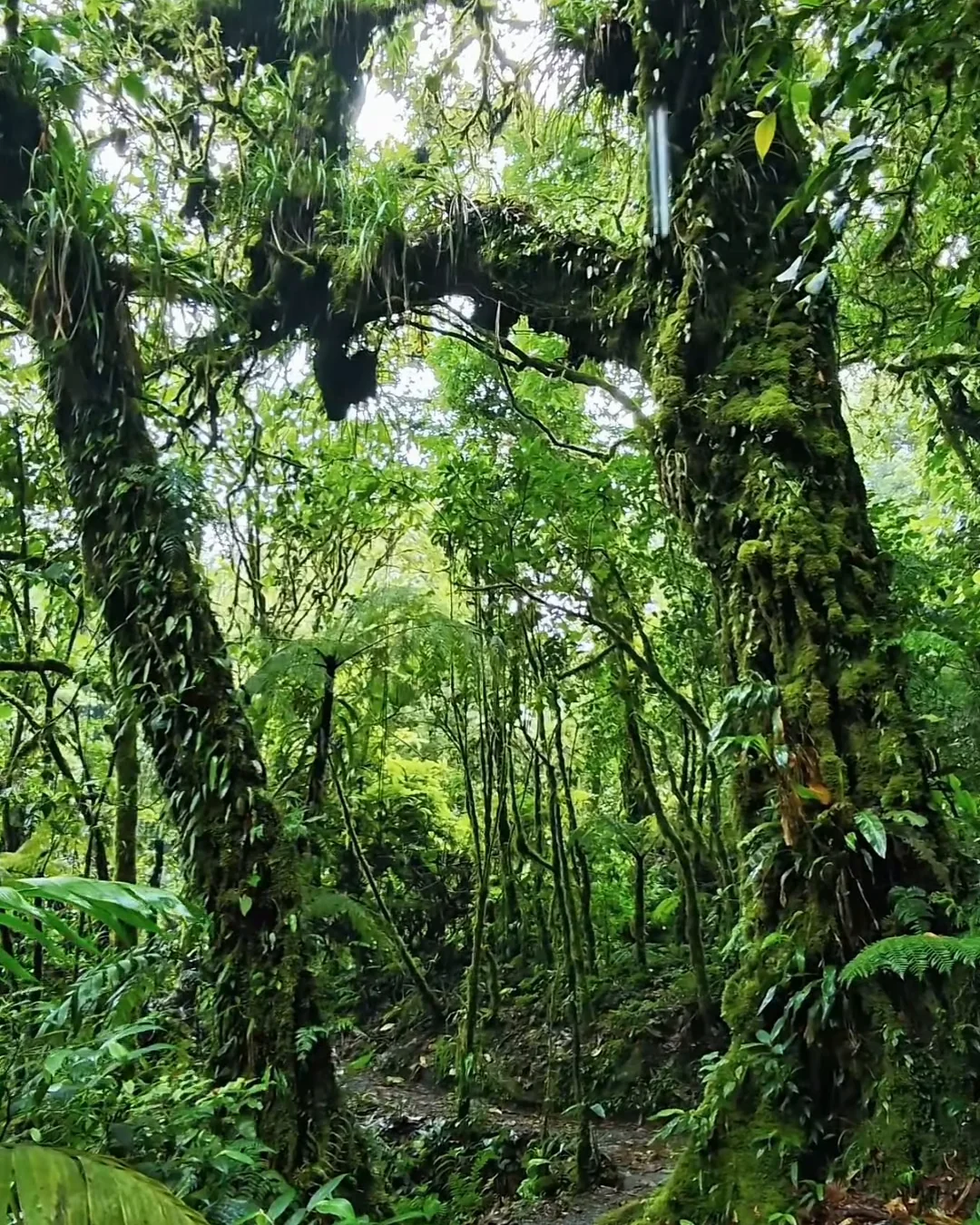
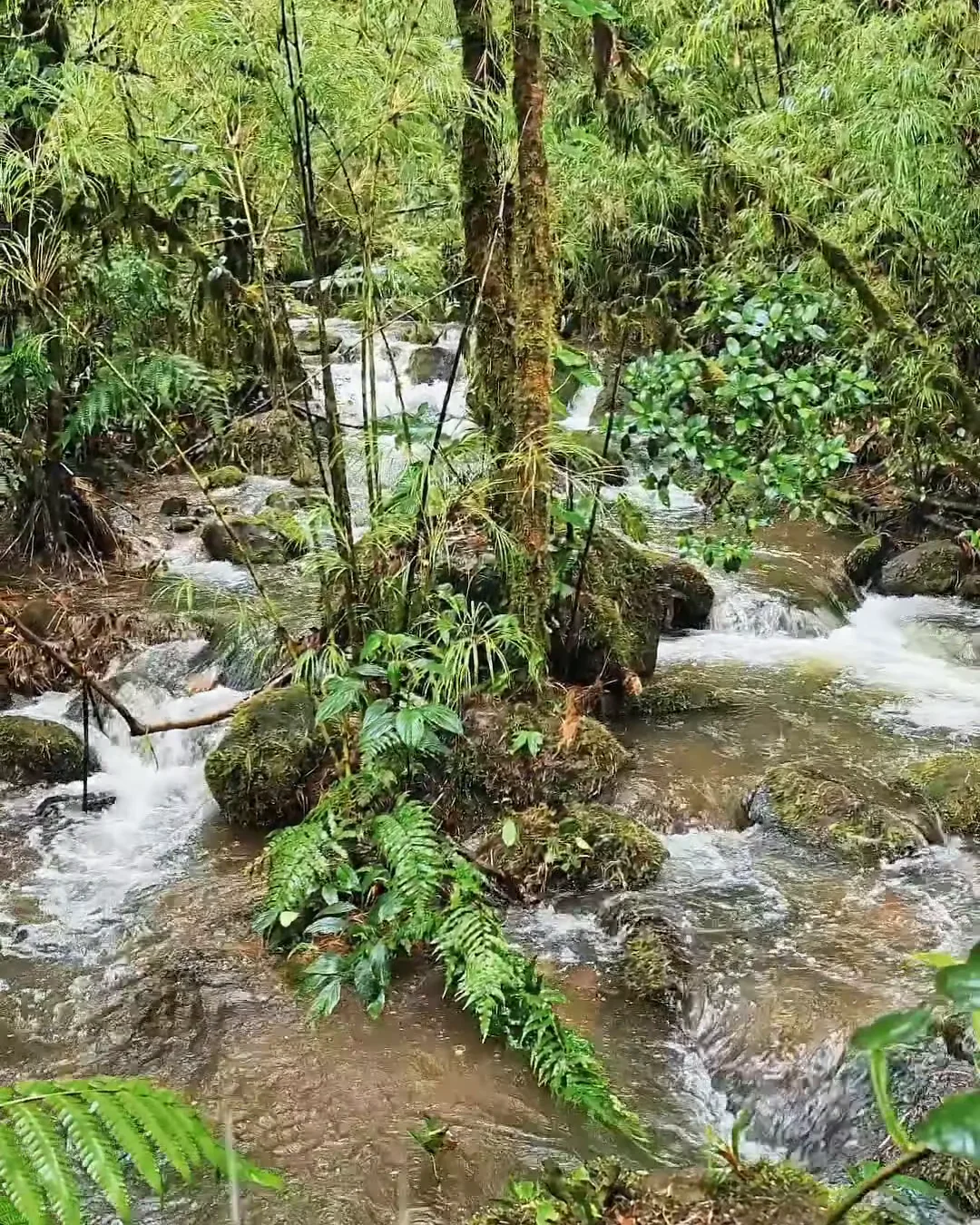
The forest we bought in Bajo la Paz, Costa Rica, invites me to observe before intervening. I want to understand the life already there, and the responsibility that comes with the possibility of caring for it. I am moved by the thought that our legacy could be the space we leave for life to continue.
Life happens between us.
When I look at a forest, my attention returns to relationships: water and soil, roots and fungi, light passing through the canopy. Below ground, the mycelium of certain fungi can connect the roots of different plants. Scientists are still investigating how these networks function; for me, they offer a powerful image for thinking about our interdependence.
They remind me of neural networks and decentralized systems. I use that resemblance as a metaphor for noticing connections that an isolated part cannot reveal. In the smallest forms of life, I sense something of the wider universe. It is a spiritual intuition: feeling part of a life that precedes and contains me. The forest reminds me that I belong to that whole.
Nature lives in our breath, in the water we drink, in what nourishes us. Recognizing that belonging changes my question about the future: which relationships must we care for so that others, too, can live? The forest brings me back to that attention, and it is from there that I want to think about technology.
CONSERVATION · TECHNOLOGY · A LASTING COMMITMENT
Let the forest's value help sustain its life.
I imagine a way to bring people, businesses, and communities together around a lasting commitment to conservation. Resources reaching those who care for the land, and contributors able to understand what is being done, within what limits, and with what results. Costa Rica has experience in financially recognizing the environmental services forests provide. I want to learn from that experience while exploring new possibilities.
Tokenization is one of them. In simple terms, it allows defined rights to an asset to be represented digitally. Its meaning depends on what those rights actually entail and the agreements behind them. In conservation, I want to investigate whether it could help connect contributions to commitments of care, record where resources go, and support responsible participation.
For me, the forest would be at the center of such a project: legally grounded protection, people accountable for its care, transparent use of resources, and independent environmental monitoring. A digital record needs to reflect what happens on the land. Its value would have to show in sustained care, supported by evidence that also makes room to acknowledge what went wrong.
I want to speak with business leaders, people interested in investing in conservation, researchers, and those who know the land. Together, we could explore what might be viable, which risks need to be addressed, and what could endure for years. I am moved by the possibility that part of what we build could allow other life to keep growing.
Let's talk about conservationA QUESTION TO KEEPWhat deserves to keep existing, even though we did not create it?
IF YOU WOULD LIKE TO KEEP LISTENING
Our inner life finds
its place in each day.
A reflection on identity, attention and everyday life.
A CONVERSATION WITH CARLOS
Some ideas deserve a conversation.
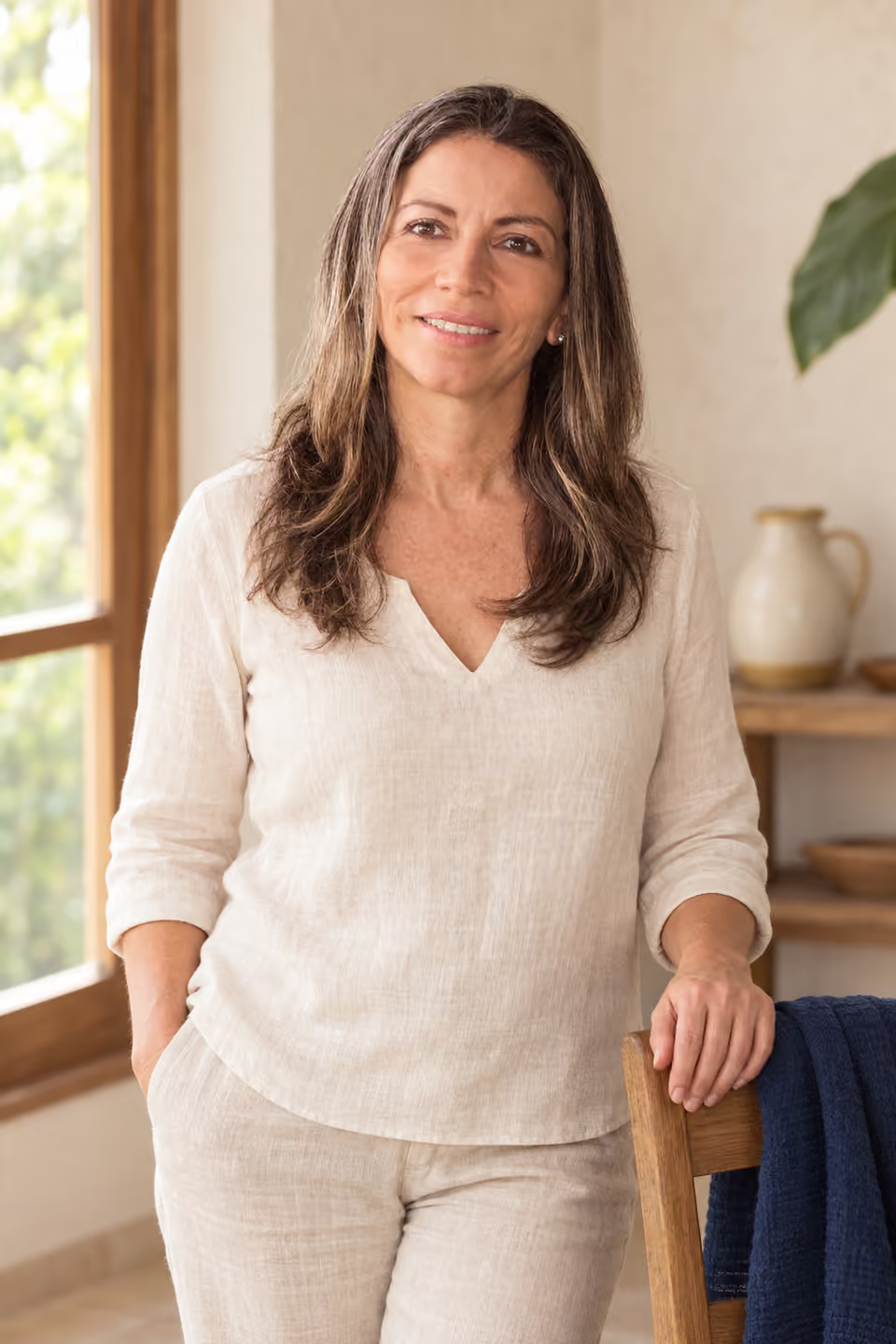
If something in this journey connects with your own search, I would like to hear from you. We can talk about business and people + AI, education for this new era, or conservation in Costa Rica. Tell me what you are building, what concerns you, or what you would like to explore together.
nadabrahmahealingcenter@gmail.comQuestions that
stay with us.
Sometimes we need to pause and listen to what we have been putting off. Choose a question and give it time. You do not have to answer them all today.
Who am I beyond what I do and what I have achieved?
What makes me happy, and how much room do I make for it in my life?
What belief is shaping my life without my ever having questioned it?
When is it hard to be honest with myself, and what makes me hide how I feel?
How do the people around me make me feel, and how do I make them feel?
If this were the last day of my life, what would I want to do today?